
11 Facts About Austria
Explore eleven amazing facts about Austria, ranging from musical legends and alpine beauty to interesting customs, history, and unexpected discoveries.
FACTS ABOUT
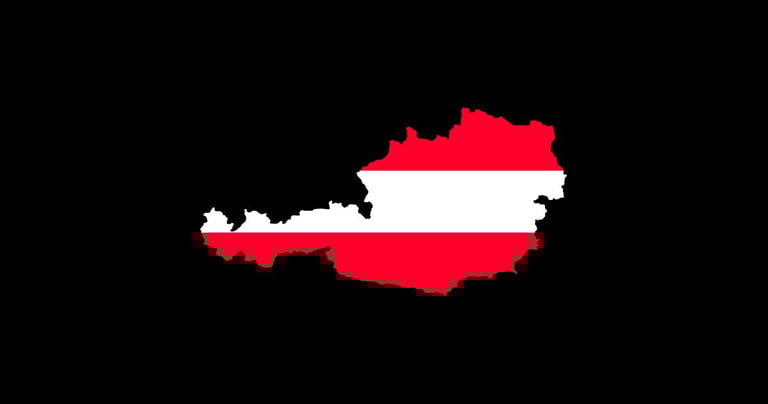
Austria Flag Map (credit: pixabay)
Austria could slip up on you in a weird approach. You believe you understand it, snowy Alps, Mozart on repeat, perhaps a fancy-named slice of cake, but unexpectedly you realize that there is considerably more that takes place on behind the scenes. Austria is more prosperous, more complex, and unique than majority of individuals realize, so I have consistently found it a little annoying when it is simplified to a picture-perfect image of itself. The following compilation is therefore ideal for anyone who is inquisitive, traveling, studying geography, or simply enjoys gathering unexpected knowledge. These eleven facts about Austria provide a surprisingly authentic look at the country's history, heritage, and daily life.
Austria Has no Nuclear Power Plants in Operation: Austria constructed a nuclear power plant in the 1970s, but it was never turned on. Following a countrywide vote, nuclear energy was strongly opposed by the populace. Austria's energy policy continues to be determined by that choice, which frequently amazes tourists who believe that all developed nations have used nuclear power at some point.
Guidance: Austria is an interesting case study in public influence on national policy if sustainability is important to you.
Austria Has More Mountains Than Flat Land: The Alps cover around two-thirds of Austria. This clarifies a number of things, including the reason there are tunnels everywhere, why skiing seems comparable to a second language, and the reason even quick road trips can have big effects. Consider Austria as a nation that has learnt to live vertically instead of horizontally.
Austria is Home to The World’s Oldest Zoo: Visitors continue to be welcome to Vienna's Tiergarten Schönbrunn, which opened in 1752. It appears as though you are walking through a live history book, but there are pandas chewing bamboo close by.
Travel guidance: For a whole day that strikes a balance between culture and relaxation, combine the zoo with Schönbrunn Palace.
Austria Has Mandatory Military or Civil Service: Young adults are required to serve in the military or in another civil duty. The majority select civic jobs like emergency services or healthcare, which silently maintain vital systems. Community members typically view it as a shared obligation, while foreigners frequently disagree.
Austria Has Nine Federal States: Every one of Austria's nine states has an own government, set of laws, and customs. A person from Tyrol might not constantly possess the same self-perception as somebody from Vienna, and there is a strong sense of local pride. Every state in Austria could not compromise on playing a different genre if it were a band.
Austria is Not Part of NATO: Since 1955, Austria has maintained its official neutrality. Its position in international organizations, peacekeeping, and international diplomacy is shaped by this legally mandated neutrality. That position is quite significant for a nation in the midst of Europe.
Austria Has One of Europe’s Densest Classical Music Histories: Beethoven, Haydn, Schubert, Mozart, the list seems unjustly packed. In Austria, classical music is a part of everyday life rather than museum exhibits. Schools embrace music very dear, and concert posters are placed close to grocery store advertisements. Austria gives you the impression that you should go to an opera even if you have not.
Austria Has Alpine Villages Older Than Many Countries: Certain mountain towns have been around for more than a millennium. These locations were created for survival, not for tourism. Steep roofs, narrow valleys, and customs that continue in silence. Going to one is similar to entering a narrative that has never required to be updated.
Austria Has One of The Highest Percentages of Forest Coverage in Europe: Forests encompass over half of Austria. Not only is that greenery beautiful to look at, but it also contributes to national identity, outdoor culture, as well as climate balance. Here, hiking is more similar to therapy than physical activity.
Austria Has a Unique Coffeehouse Culture Protected by UNESCO: Coffee shops in Vienna are more than simply cafés. They are slow places in a fast-paced society, where it is OK to spend two hours reading the newspaper over a single cup of coffee. This way of life is truly deserving of UNESCO's recognition as intangible heritage.
Useful guidance: Take your time. Get a coffee, take a seat, and hang out much longer than you need to.
Austria Has One of The World’s Most Extensive Tunnel Systems: Tunnels are a requirement rather than something to enjoy when there are mountains. Railroads and roads vanish into the rock and then emerge miles afterwards as if nothing had occurred. When you first see it, you find it amazing and a little confusing. If you have constantly questioned how a nation manages to go forward in spite of all that stone, this is the answer.
The Significance of The Above Facts
These kinds of facts are more than information. They provide an explanation for Austria's feelings, calm but orderly, proud but guarded, traditional yet gently forward-thinking. Travel becomes richer, school projects are strengthened, and conversations become more engaging when these aspects are understood.
Summary: Timeless Traditions, Quiet Surprises
Austria does not talk a great deal regarding what makes it unique. Perhaps because it fails to compete for recognition, so plenty of individuals overlook the more complex narrative. Austria honours those who take a deeper look, from its mountains and woods to its music, neutrality, and coffeehouse customs. The above 11 facts about Austria are a good place for starting if you have ever been interested in the nation but do not know where you should start. You might even use them as a reason to book that vacation that you have been placing on hold.
