
11 Facts About Bangladesh
Explore 11 amazing facts about Bangladesh, including its lively culture, resiliency, and customs that have shaped South Asia's heart, as well as its extensive past and river life.
FACTS ABOUT
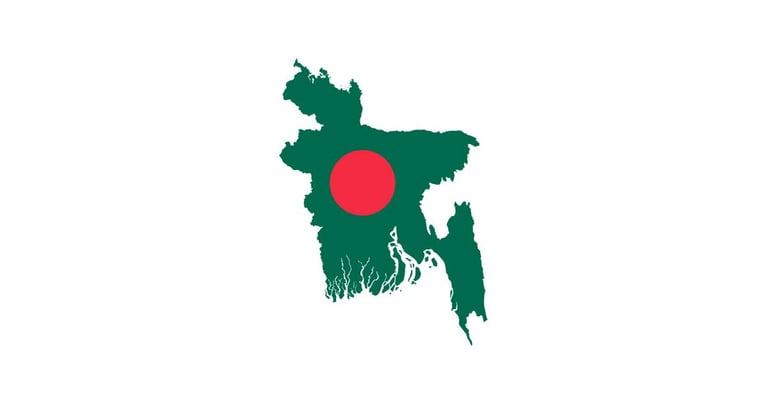
Bangladesh Flag Map (credit: pixabay)
Bangladesh is one of those nations that individuals discuss with assurance. Until you raise a different inquiry. The breaks then begin. Rivers? Indeed. Floods? Yes. It quickly becomes uncertain after that. Bangladesh is anything but uncertain, therefore that has always concerned me. It is multilayered, relentlessly resilient, inventive under hardship, and influenced by factors that would overpower nearly every location, such as language, water, and trade. This list is for anyone who ever experienced interest but was uninformed. These 11 facts about Bangladesh provide a better understanding of a nation that has slowly impacted history, culture, and the economy much beyond its boundaries.
Bangladesh Has The World’s Largest River Delta: The majority of the nation is covered by the massive Ganges–Brahmaputra–Meghna Delta, which is visible from space. Here, water is the center of life. Rivers transport commodities, nourish crops, and occasionally change maps overnight. Living in Bangladesh is similar to having a troublesome buddy: you have to adjust, start over, and keep going.
Bangladesh is Home to The Largest Mangrove Forest on Earth: The Sundarbans are the world's biggest mangrove forest, spanning Bangladesh and India. It sustains unique species, such as Bengal tigers, and shields coastal populations from cyclones. Winter is the ideal time of year for tourists to go because of the calm temperatures and increased chances of seeing wildlife.
Bangladesh Was The Birthplace of The Bengali Language Movement: Learners demonstrated in 1952 to keep Bangla the official state language. A few sacrificed with their lives. International Mother Language Day, which is now recognized globally, was subsequently motivated by that initiative. The uncommon nature of language, words themselves, being at the core of national identity is difficult to stress.
Bangladesh Was One of The World’s Major Centers of Muslin Production: Bengali muslin was so light that it was called "woven air." The emperors desired it. It was pursued by European traders. The craft was almost completely eradicated by colonization and industrial changes, which continues to upset both historians and craftspeople. There are currently tiny attempts to revive it.
Bangladesh is One of The Few Countries Born From a Language-Based Independence Movement: Few nations can claim that their independence was directly driven by language. The Liberation War began in 1971 as a result of the struggle to protect Bangla. Bangladesh emerged with glory, wounds, and an unwavering belief that identity is more important than practicality.
Bangladesh Has The World’s Longest Natural Sea Beach: Cox's Bazar stretches along the Bay of Bengal for around 120 kilometers. It can be hectic, chaotic, serene, energetic, and lovely all in one afternoon. Early mornings provide an entirely different atmosphere if you are not into crowds.
Bangladesh Was Home to One of The World’s Earliest Buddhist Universities: Constructed in the eighth century, Somapura Mahavihara drew academics from all across Asia. Currently, strolling through its ruins feels similar to being inside a suspended dialogue that previously influenced Buddhist doctrine throughout the area.
Bangladesh Has The Highest Concentration of NGOs in The World: This is where organizations like BRAC and Grameen Bank got their beginnings, changing the way people perceive global development. Systems of education, community-led health care, and micro-finance that were proven in Bangladesh are being used all over the world. Creativity was driven by limitations, and the outcomes spread far.
Bangladesh Was a Global Ship-Building Hub in Ancient Times: Bengalis were skilled ship-builders thanks to its river networks. This region produced ships that traveled to the Middle East as well as further. Long before the term got popular, water was infrastructure rather than a barrier.
Bangladesh is One of The World’s Largest Producers of Jute: Exports used to be driven by jute, sometimes referred to as the "golden fiber." Jute is slowly becoming more relevant as sustainability becomes more popular. It feels somewhat of a future than remembrance when used to make reusable bags, carpets, and fabrics.
Bangladesh Was Ruled by Over a Dozen Dynasties Across Millennia: Here, colonial powers, Buddhists, Muslims, and Hindus all put down a legacy. Bangladesh's culture seems complicated rather than neat, which can be explained by its multi-layered past. Instead of being replaced page by page, history is layered similar to sediment.
Summary: Where Rivers, Language, & Resilience Converge
Bangladesh can frequently be restricted to headlines about suffering, which completely fails to reach the mark. This nation has developed the ability negotiate with rivers, protect its language, rebuild following loss, and continue to create music, poetry, and humour that are sufficiently resilient to endure everything. Go with patience and curiosity if you are traveling to Bangladesh. Go past summaries if you are learning. Bangladesh's experience may also seem uncomfortably appealing to an individual who has previously felt ignored. Knowing the above facts not only increases your knowledge but also gives the map a more authentic feel.
